How Gut Health Affects Your Daily Energy Levels
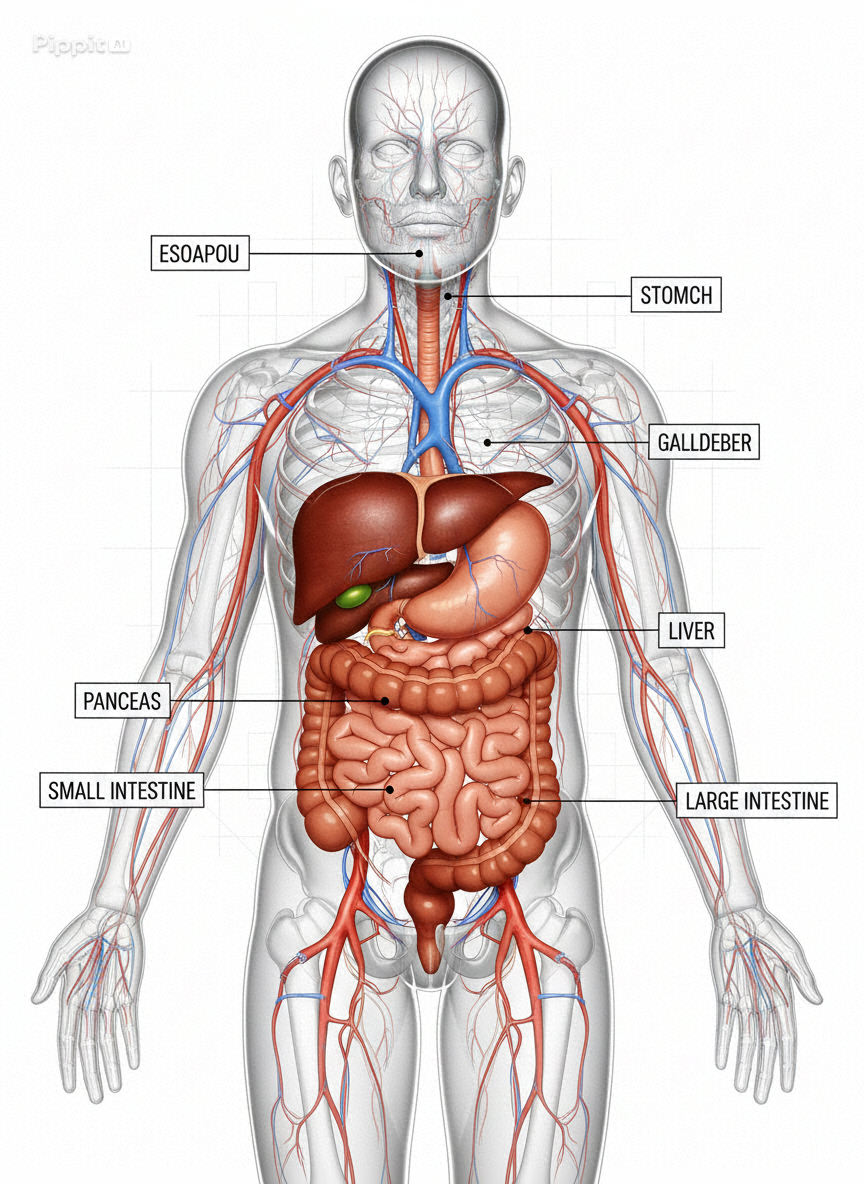
Many people assume that feeling tired every day is normal. Busy schedules, lack of sleep, and stress are often blamed. But what if your persistent fatigue is not only about sleep?
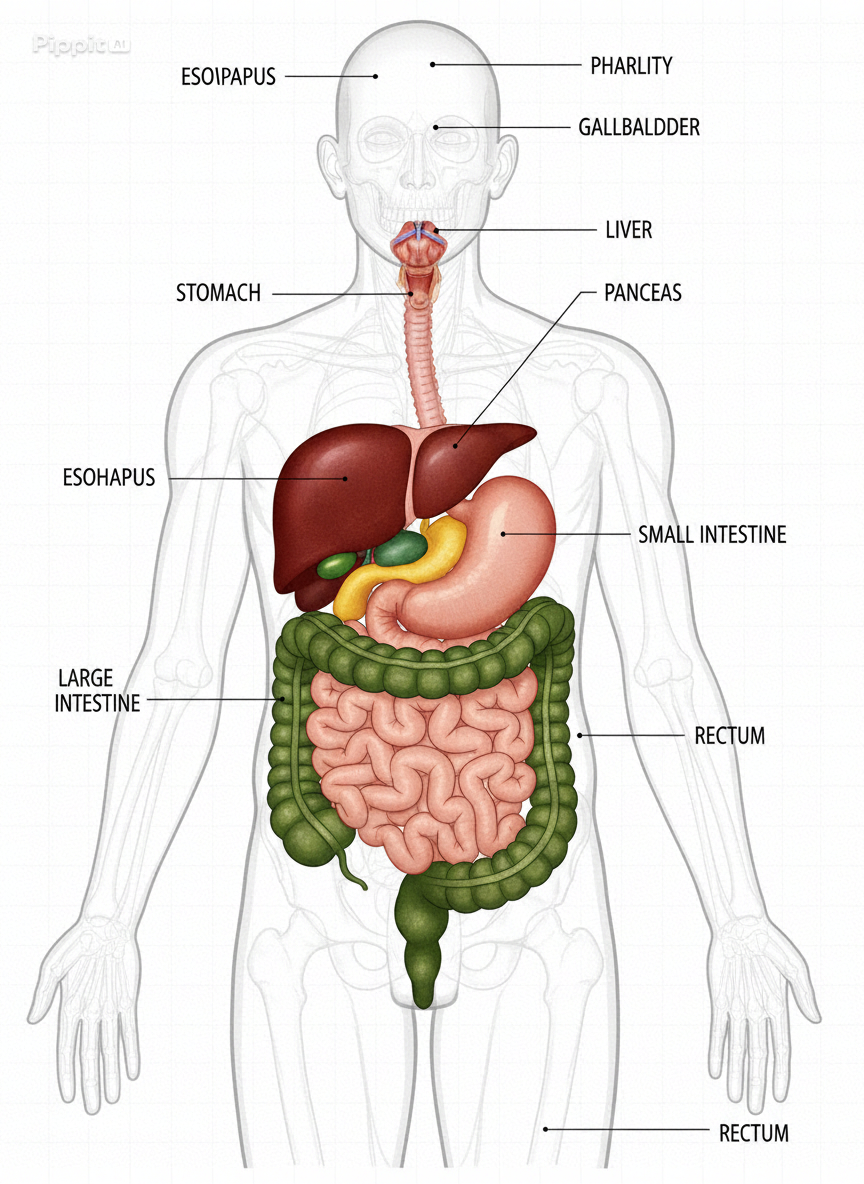
Emerging research suggests that gut health plays a major role in how energetic—or exhausted—you feel throughout the day. The digestive system does far more than process food. It directly influences nutrient absorption, hormone balance, immune response, and even brain function.
Understanding this connection can help you identify hidden causes of low energy and take practical steps to improve your overall well-being.
What Is Gut Health?
Gut health refers to the balance and function of microorganisms living in your digestive tract. These microorganisms, often called the gut microbiome, include trillions of bacteria, fungi, and other microbes.
A healthy gut microbiome:
- Supports digestion
- Helps absorb essential nutrients
- Regulates inflammation
- Communicates with the brain
- Strengthens the immune system
When this balance is disrupted, it may lead to fatigue, brain fog, digestive discomfort, and reduced resilience.
The Gut–Energy Connection
Energy production depends heavily on how well your body extracts nutrients from food. Even if you eat a healthy diet, poor gut health can prevent proper absorption of:
- Iron
- Vitamin B12
- Magnesium
- B vitamins
- Amino acids
These nutrients are critical for cellular energy production.
If the gut lining is inflamed or imbalanced, nutrient uptake becomes inefficient. Over time, this can contribute to chronic tiredness.
The Gut–Brain Axis
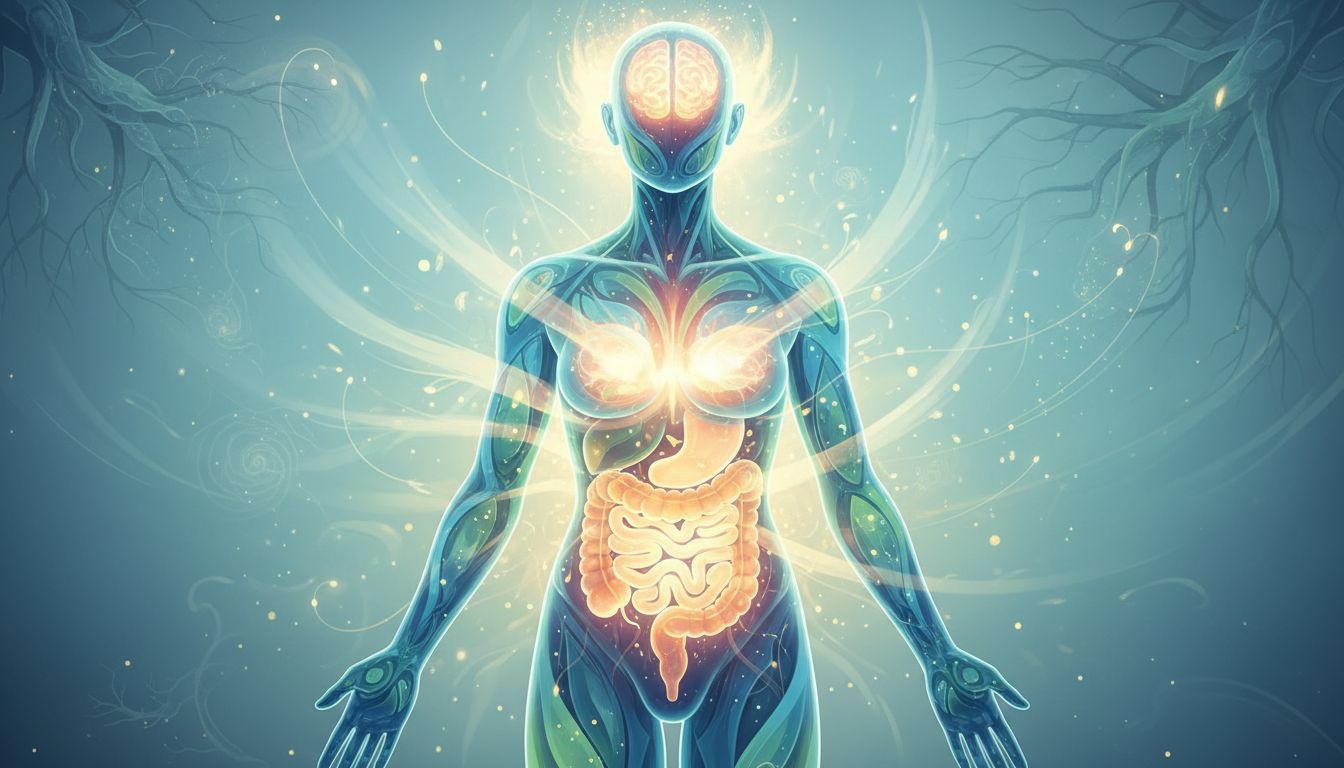
The gut and brain are directly connected through what scientists call the gut–brain axis. The vagus nerve acts as a communication highway between the digestive system and the brain.
An imbalanced gut can influence:
- Mood
- Focus
- Mental clarity
- Motivation
- Stress response
This is why many people with poor gut health report not only fatigue but also low mood or mental fog.
Signs Your Gut May Be Affecting Your Energy
While only medical testing can confirm specific issues, common signs include:
- Frequent bloating
- Irregular digestion
- Food sensitivities
- Brain fog
- Sugar cravings
- Afternoon energy crashes
- Feeling tired even after enough sleep
When several of these symptoms appear together, gut imbalance may be a contributing factor.
Common Causes of Gut Imbalance
Several modern lifestyle factors can disrupt the microbiome:
1. Highly Processed Diets
Low-fiber, high-sugar diets reduce beneficial bacteria.
2. Chronic Stress
Stress alters gut bacteria and slows digestion.
3. Poor Sleep
Inadequate sleep affects microbial balance.
4. Overuse of Antibiotics
Antibiotics can eliminate both harmful and beneficial bacteria.
5. Low Fiber Intake
Fiber feeds beneficial gut microbes and supports diversity.
How to Improve Gut Health Naturally
Improving gut health often requires consistent lifestyle adjustments rather than quick fixes.
Eat More Fiber
Vegetables, fruits, legumes, and whole grains help beneficial bacteria thrive.
Include Fermented Foods
Yogurt, kefir, sauerkraut, and kimchi contain natural probiotics.
Stay Hydrated
Water supports digestion and nutrient transport.
Reduce Excess Sugar
High sugar intake feeds harmful bacteria.
Manage Stress
Mindfulness, exercise, and proper sleep improve gut balance.
Prioritize Quality Sleep
7–9 hours of sleep supports both gut and hormone regulation.
How Long Does It Take to Notice Improvement?
Gut recovery is gradual. Some people notice better digestion and energy within weeks, while others may require months of consistent habits.
What matters most is sustainability. Sudden extreme diet changes often fail. Small, consistent improvements are more effective long term.
When to Seek Professional Advice
If fatigue persists despite healthy habits, consult a qualified healthcare professional. Conditions such as anemia, thyroid disorders, or nutrient deficiencies may require testing and medical evaluation.
Self-diagnosis is not recommended for chronic symptoms.
Final Thoughts
Daily fatigue is not always simply about sleep. The health of your digestive system can influence how efficiently your body produces energy, regulates mood, and maintains mental clarity.
By understanding the connection between gut health and energy, you can begin making informed decisions that support long-term wellness.
Improving gut health is not about quick solutions—it is about building sustainable habits that strengthen your body from the inside out.
—
Author: InovasiNew Editorial Team
Updated: February 2026
Category: Health & Lifestyle