

Many people notice changes in their energy after eating, and this often relates to how digestion works inside the body.
Many people notice that their energy levels change after eating. While food provides fuel for the body, the digestive process itself requires energy and coordination between several biological systems.
Understanding why energy may feel lower after meals can help individuals better recognize how digestion works and how daily habits influence overall wellness.
The Body Uses Energy to Digest Food
Digestion is an active biological process. After eating, the body begins breaking down food, absorbing nutrients, and distributing them throughout the system. This process involves the stomach, intestines, enzymes, hormones, and blood circulation.
Because digestion requires internal resources, the body temporarily directs more blood flow toward the digestive system. Some people may experience this shift as mild tiredness or reduced alertness shortly after meals.
Meal Size Can Influence Post-Meal Energy
Large meals often require more digestive effort than smaller portions. When the body processes a heavy meal, digestion may take longer, and some individuals may feel less energetic during that period.
Balanced meal portions are commonly associated with more stable daily energy levels.
Food Composition May Also Play a Role
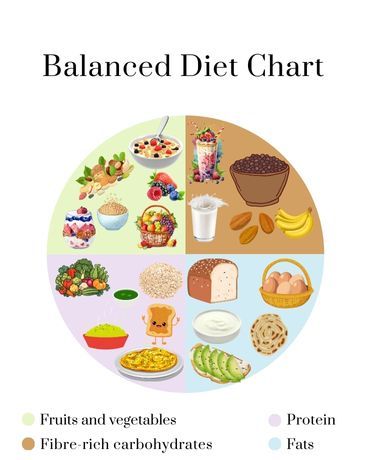
Meals containing a balance of protein, fiber, and complex carbohydrates are often considered supportive for gradual energy release. In contrast, meals extremely high in refined sugars may lead to faster energy fluctuations for some individuals.
Why Energy After Eating Can Feel Different
Balanced nutrition helps the body maintain steadier metabolic activity throughout the day.
Daily Eating Patterns Matter
Regular meal timing allows the body to develop a consistent digestive rhythm. Skipping meals followed by very large portions later in the day may sometimes make digestion feel more demanding.
Maintaining structured meal schedules is often recommended as part of a general wellness routine.
Lifestyle Factors That Support Stable Energy
Some everyday habits may help maintain comfortable digestion and steady daily energy:
- Eating moderate portions
- Chewing food thoroughly
- Staying hydrated
- Maintaining consistent sleep schedules
- Including light daily movement
These simple practices support overall body balance.
When to Seek Medical Advice
Occasional tiredness after meals can be normal. However, persistent fatigue, severe discomfort, or ongoing digestive concerns should always be discussed with a qualified healthcare professional.
Educational articles provide general knowledge but do not replace professional medical guidance.
Final Thoughts
Energy levels and digestion are closely connected. By understanding how the body processes food and how lifestyle patterns influence digestion, individuals can make more informed daily choices that support long-term wellness and comfort.
Small, consistent habits often play a larger role than any single dietary change.
Understanding how energy after eating works can help people make more balanced daily lifestyle choices. Small consistent habits often provide better long-term comfort than sudden dietary changes.
Author: InovasiNew Editorial Team
Updated: February 2026
Category: Health & Lifestyle