Feeling tired occasionally is normal. However, if low energy becomes part of your daily routine, it may signal something deeper than poor sleep or stress.
An often-overlooked factor behind persistent fatigue is gut health. Your digestive system does far more than break down food—it plays a central role in nutrient absorption, immune balance, and even communication with the brain.
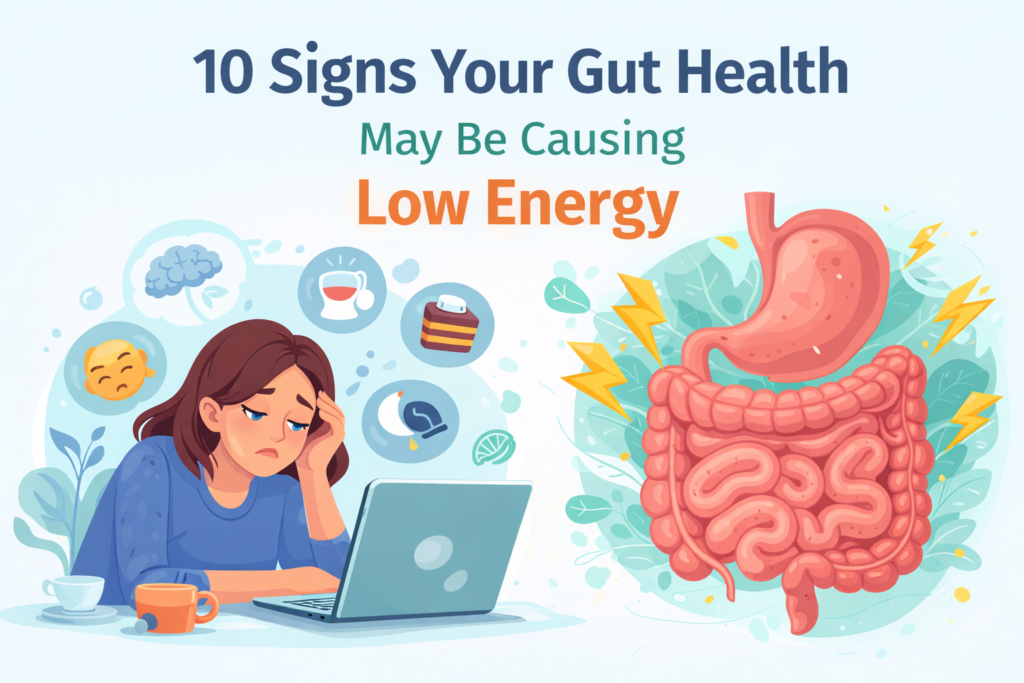
Here are ten signs your gut health may be affecting your energy levels.
1. Frequent Bloating
Regular bloating after meals may indicate imbalanced gut bacteria or poor digestion. When food is not properly broken down, your body struggles to extract nutrients efficiently, which can contribute to fatigue.
2. Irregular Bowel Movements
Constipation or frequent diarrhea can signal gut imbalance. Poor elimination affects detoxification and nutrient absorption, both essential for stable energy.
3. Brain Fog
If you struggle with focus, clarity, or memory, your gut could be involved. The gut–brain axis connects digestive health directly to cognitive function.
Inflammation in the gut can influence mental clarity and overall alertness.
4. Sugar Cravings
Strong cravings for sugar may reflect microbial imbalance. Certain harmful bacteria thrive on sugar and can influence your appetite signals.
Excess sugar consumption also leads to rapid energy spikes followed by crashes.
5. Afternoon Energy Crashes
If you consistently feel drained in the afternoon despite eating lunch, poor nutrient absorption or blood sugar instability linked to gut health may be a factor.
6. Food Sensitivities
Developing new sensitivities to foods like dairy or gluten may signal increased intestinal permeability or microbial imbalance.
When digestion is compromised, inflammation can increase, leading to fatigue.
7. Poor Sleep Quality
Your gut helps regulate neurotransmitters such as serotonin, which plays a role in sleep cycles. An imbalanced gut may disrupt restful sleep, indirectly affecting daily energy.
8. Frequent Illness
Around 70% of the immune system resides in the gut. If you often catch colds or feel run-down, gut imbalance could be weakening immune defenses.
Chronic immune activation also drains energy.
9. Unexplained Mood Changes
Low motivation, irritability, or mild anxiety can sometimes connect to gut health through inflammation and neurotransmitter regulation.
Mental fatigue often accompanies physical tiredness.
10. Persistent Fatigue Despite Rest
If you sleep 7–9 hours yet still wake up tired, the issue may not be sleep quantity but internal balance.
Poor nutrient absorption, chronic low-grade inflammation, and microbiome imbalance can all contribute.
What You Can Do Next
If several of these signs apply to you, small lifestyle adjustments may help:
- Increase dietary fiber
- Add fermented foods
- Stay hydrated
- Reduce processed sugars
- Manage stress levels
- Improve sleep consistency
If symptoms persist, consult a healthcare professional for evaluation.
For a deeper explanation of how digestion directly influences vitality, read our complete guide on how gut health affects your daily energy levels.
Final Thoughts
Low energy is not always caused by lack of sleep. Gut health plays a critical role in how your body processes nutrients, regulates inflammation, and communicates with the brain.
By paying attention to digestive health, you may uncover hidden contributors to daily fatigue and take meaningful steps toward long-term vitality.